Key Actions by Grupo Bimbo to Become More Environmentally Friendly
One of the main challenges for companies with industrial operations is reducing the emissions associated with energy consumption. This requires transitioning to renewable energy sources, improving process efficiency, and continuously reviewing how equipment is used.
In line with its goal of sourcing 100% of its electricity from renewable sources by 2025, Grupo Bimbo has continued advancing its transition to clean energy in Mexico, using sources such as wind and solar power. This approach helps significantly reduce indirect emissions associated with electricity consumption and is part of the Company’s commitment to achieve net-zero carbon emissions by 2050.
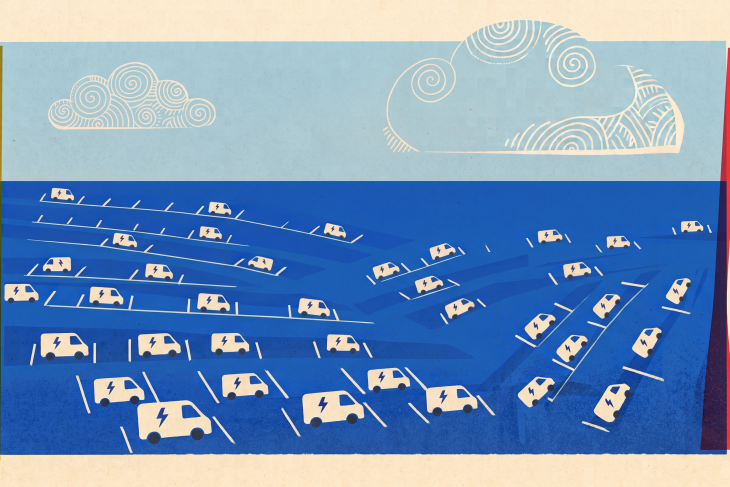
The energy transition also extends to distribution. Grupo Bimbo has developed the largest electric delivery fleet in Mexico and Latin America. In 2025, its operations in Mexico closed the year with 3,991 electric vehicles and an additional 263 vehicles powered by alternative fuels.
In addition, the Company has implemented operational efficiency initiatives, such as its Oven Efficiency Program, which focuses on the operation, maintenance, and calibration of these systems. Together, these efforts contribute to greater energy efficiency and a lower carbon footprint across operations.
Packaging Through a Circular Economy Approach
Packaging sustainability begins at the design stage. To reduce waste, it is essential to develop recyclable materials, facilitate their recovery, and reincorporate them into new production cycles.
In 2025, 99.6% of Grupo Bimbo’s packaging in Mexico was recyclable. Furthermore, 97% of operational waste was diverted from landfills, and 20 facilities achieved zero waste to landfill, thanks to robust separation, training, and waste management practices.
The Company has also incorporated recovered materials into its logistics operations. To manufacture plastic crates and pallets, more than 800,000 kilograms of flexible plastic packaging and approximately 540,000 kilograms of industrial plastic waste were reprocessed. This resulted in the production of more than 1.8 million crates and more than 250,000 pallets.
These efforts are complemented by partnerships with organizations such as ECOCE, ECOLANA, Plastianguis, and Reciclamanía Evoluciona, which focus on recovering packaging and materials at the end of their useful life.
Renewable energy, sustainable mobility, operational efficiency, and circular economy initiatives are all part of the same vision: producing and distributing food with a lower environmental impact and a more efficient use of resources. For Grupo Bimbo, sustainability is built through concrete, measurable, and consistent actions over time.