6 Truths About Bread That'll Make You Love It Even More
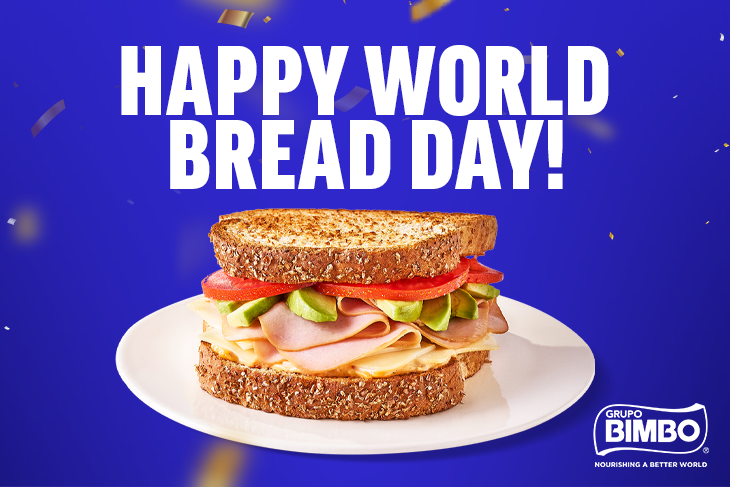
From every corner of the world, bread connects us through meals, moments, and the simple joy of sharing. Where nutrition and accessibility are at the heart of every table. #WorldBreadDay
1. Bread is much more than food, it is tradition and creativity
Around the world, bread serves a unique function: it can be a plate, a spoon, a container, or the base of a meal. It’s part of the culinary and cultural experience, adapting to each region as a symbol of tradition and social connection
2. Packaged bread provides essential nutritional benefits
It’s a source of sustained energy, thanks to its simple and complex carbohydrates, and supports digestion due to its fiber content. Additionally, it provides key vitamins and minerals, such as iron, magnesium, and B vitamins, essential for an active and healthy life.
3. Bread fortification is a public health strategy
By enriching flour with micronutrients, bread helps prevent nutritional deficiencies in vulnerable populations, improves public health, and reaches millions with affordable, culturally accepted foods.
4. Bread, a nutritional vehicle that balances the diet
Bread not only provides energy and essential nutrients such as complex carbohydrates, fiber, iron, and vitamins, it also acts as a nutritional vehicle that supports a balanced diet. When combined with vegetables and proteins, such as in a sandwich, it contributes to improving the quality and balance of daily nutrition.
5. Bread is energy, nutrition, and health
Made with whole grains, it provides fiber, vitamins, and antioxidants that benefit both body and mind.
6. Bread is safe and accessible
Packaged bread is an accessible and affordable source of energy, fiber, and essential micronutrients. Its broad distribution makes it a key ally in food security, bringing nutrition to remote communities and supporting a balanced diet for all.


